When we travel to a new destination, it is easy to focus on what we can see.
- The landscape.
- The food.
- The activities.
- The photographs.
But behind every destination, there are people who live there. They work, raise families, maintain traditions, and take care of the places that travelers come to visit.
So, when tourism enters a community, one important question is often overlooked:
Who actually benefits from the journey?
This is where community-based tourism (CBT) becomes important.
Community-based tourism is an approach where local communities have an active role in tourism and can benefit from the activities taking place in their area. In Indonesia, recent research has linked community-based tourism with local economic opportunities, cultural preservation, social cohesion, and environmental stewardship, while also highlighting challenges such as uneven benefit distribution and limited community capacity.
But community-based tourism is not simply about bringing visitors into a village. It is about creating a relationship between travelers and communities that is respectful, meaningful, and beneficial for both sides.
What Is Community-Based Tourism?
Community-based tourism is a form of tourism in which local communities are actively involved in developing, managing, or providing tourism experiences. This can take many forms.
A local guide who shares the history of a village.
A family running a homestay.
A local business preparing traditional food.
A community managing a tourism activity.
A farmer sharing knowledge about local agriculture.
Or residents helping visitors understand cultural traditions and the environment around them.
The important part is not simply that local people are involved. It is how they are involved.
A community should not become a collection of services designed only for tourists. Instead, tourism should work with the community and respect the way people already live.
This is why recent research on Indonesian tourism villages places strong emphasis on community participation, local governance, cultural preservation, and the distribution of tourism benefits.
Why Do Local Communities Matter in Tourism?
A destination is more than a place on a map.
A village is someone’s home.
A forest may be part of a community’s livelihood.
A local dish can carry generations of knowledge.
A traditional ceremony may have a meaning that goes far beyond what a visitor sees.
When tourism ignores these realities, a destination can easily become something people simply consume.
But when travelers are given the opportunity to understand the people and stories behind a place, the experience changes. Instead of only seeing a destination, they begin to understand it.
This is one of the reasons community-based tourism can create more meaningful travel experiences while supporting the people who call the destination home.
What Does Community-Based Tourism Look Like?
Community-based tourism can be found in many everyday travel experiences.
Local Guides
A local guide can offer much more than directions.
They can explain the history of a place, share local stories, interpret the landscape, introduce cultural practices, and help travelers understand local etiquette.
Their knowledge can turn a simple walk into a much deeper experience.
Local Food
Food is another way to connect with a destination.
Local ingredients, recipes, and cooking traditions often carry stories about the environment and the people who live there.
Choosing local food can also help keep tourism spending closer to the community.
Homestays
A homestay can provide a different perspective from staying in a conventional accommodation.
Instead of experiencing a village only from the outside, travelers have an opportunity to understand aspects of everyday life.
Of course, this needs to be done respectfully and in a way that works for the host family as well.
Local Businesses and Services
Transportation, crafts, small restaurants, agricultural products, and locally managed activities can all become part of a community-based tourism experience.
The idea is not to force every local business into tourism.
It is to create opportunities where tourism can naturally support the local economy.
Community-Based Tourism Is Not Just About Using Local Services
This distinction matters.
Simply hiring a local driver or eating at a local restaurant does not automatically make a trip community-based.
Community-based tourism goes deeper.
It asks whether local people have a meaningful role in the experience, whether benefits are shared fairly, and whether tourism respects the community’s culture and way of life.
Recent studies in Indonesia show that community-based tourism can create positive economic and social outcomes, but those benefits are not automatic. Challenges such as unequal benefit distribution, limited human resources, environmental management, and cultural commodification still need to be addressed.
That is why good community-based tourism requires thoughtful planning and strong local participation.
What Can Travelers Do?
Travelers do not have to make complicated decisions to support community-based tourism.
Small choices can be meaningful.
Choose local guides when appropriate.
Try locally made food.
Stay at community-owned accommodation where available.
Buy products directly from local producers.
Respect local rules and cultural boundaries.
And perhaps most importantly, listen.
A destination does not exist only for visitors.
The people who live there should not have to change their way of life simply to create a better photograph or a more entertaining experience for tourists.
Ask before taking someone’s photograph.
Follow local guidance.
Respect places of worship and cultural spaces.
And remember that not everything meaningful needs to become a tourist attraction.
Community-Based Tourism in Indonesia
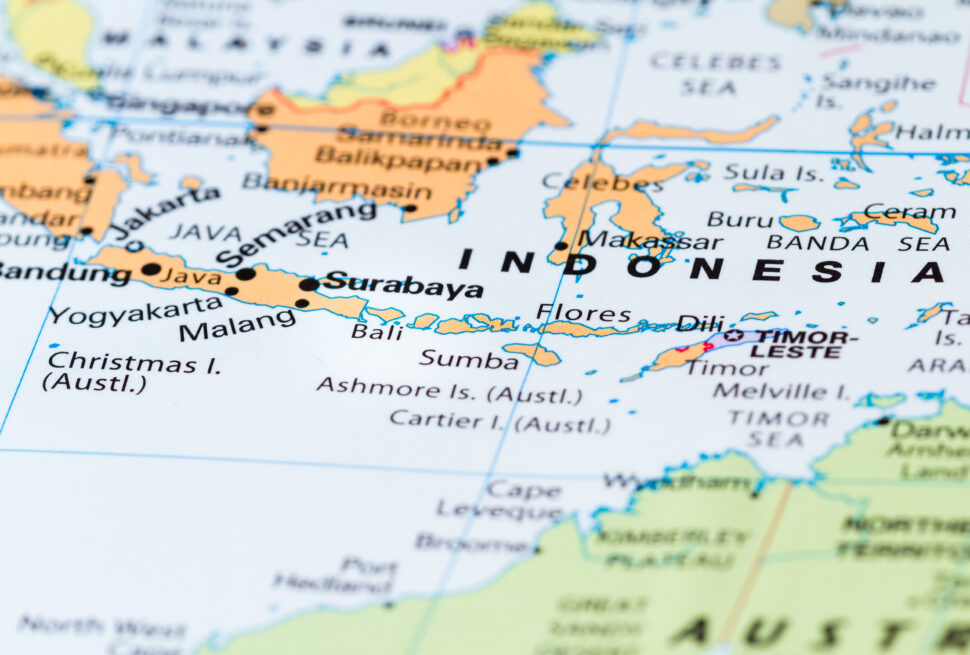
Indonesia is particularly rich in opportunities for community-based tourism because many destinations are closely connected to nature, culture, and local livelihoods.
Tourism villages across the country demonstrate different approaches to community participation.
Recent research in Yogyakarta found that community-based tourism can contribute to household income and community well-being, while broader studies of Indonesian tourism villages highlight the importance of governance, cultural protection, community capacity, and long-term destination planning.
But there is no single formula that works for every destination.
Each community has its own culture, environment, capacity, and priorities.
That means responsible tourism should begin with understanding the destination, rather than applying the same tourism model everywhere.
How Pahlawan Berkemah Approaches Community-Based Tourism
At Pahlawan Berkemah, we see local communities as an important part of the journey.
Our approach to responsible travel aims to connect travelers with nature, culture, and local communities while creating meaningful experiences.
This can include working with local guides, community-based services, village tourism initiatives, local food providers, and other local partners.
The purpose is not simply to bring travelers into a community.
It is to create experiences where travelers can learn from the destination while local people remain an active part of the journey.
One example can be found around Wonokitri, where travel experiences can connect visitors with local culture and conservation.
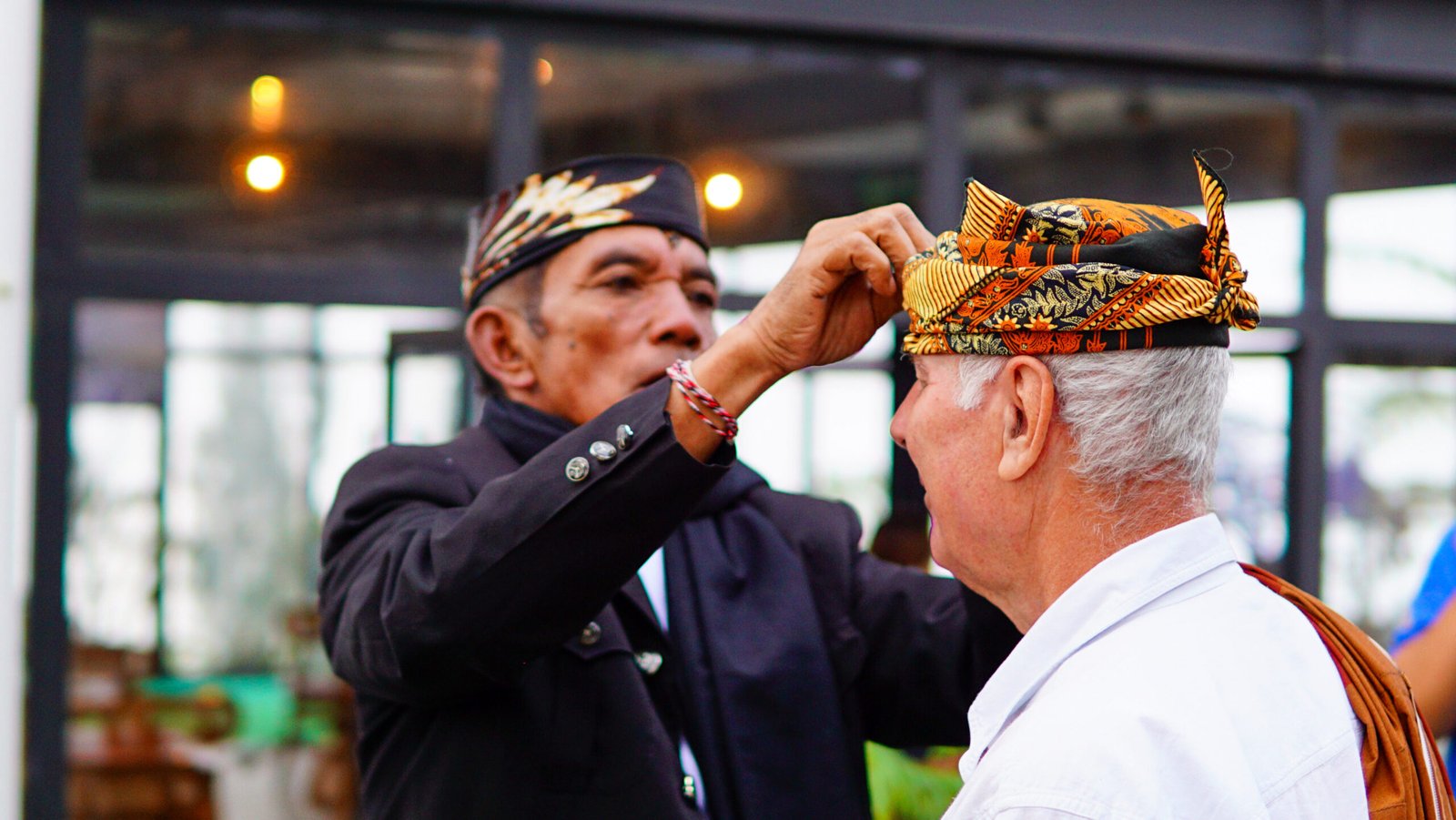
Through experiences such as the Edelweiss educational activities and Semeninga Walking Tour, visitors can learn about the environment, local stories, Tengger culture, and places that carry meaning for the community.
This gives travelers another way to experience a destination.
Not only by looking at it.
But by learning from it.
A Different Way to Think About Travel
Community-based tourism encourages us to ask different questions.
Instead of:
“What can I see here?”
we can ask:
“Who lives here?”
“What can I learn here?”
“How can my journey create value without taking away from the place?”
That shift may seem small, but it can change the way we travel.
A destination is not only a place we visit.
It is a place where people live.
And perhaps the most meaningful journeys are the ones where we return home with more than photographs.
We return with stories, knowledge, and a deeper respect for the people and places we have encountered.
At Pahlawan Berkemah, this is part of what we mean by:
Discover Responsible Journey.
Because a good journey does not only take you somewhere.
It helps you understand where you are.