
Have you ever returned from a long vacation feeling more exhausted than when you left? By 2026, this paradox is expected to fade away. The global tourism industry is entering a new phase through wellness tourism 2026, a travel approach that places physical health, mental well-being, and spiritual balance at its core. Wellness tourism is no longer limited to luxury spas or short relaxation experiences. It has evolved into a key pillar of quality tourism, offering journeys that improve quality of life while supporting environmental sustainability and local communities. With its rich natural landscapes, cultural heritage, and traditional health practices, Indonesia is uniquely positioned to become a global leader in wellness tourism.
From Relaxation to Transformation: The New Direction of Wellness Tourism 2026
The defining characteristic of wellness tourism in 2026 is a shift from passive relaxation toward transformative travel experiences. Future travelers are no longer focused on how many destinations they visit, but on how deeply they engage with each place.
As mass tourism gradually gives way to quality tourism, travelers increasingly seek meaningful journeys—experiences that foster reflection, understanding, and long-term lifestyle change. Wellness travel is no longer a stand-alone activity, but part of a consciously designed journey that integrates mind, body, and environment.
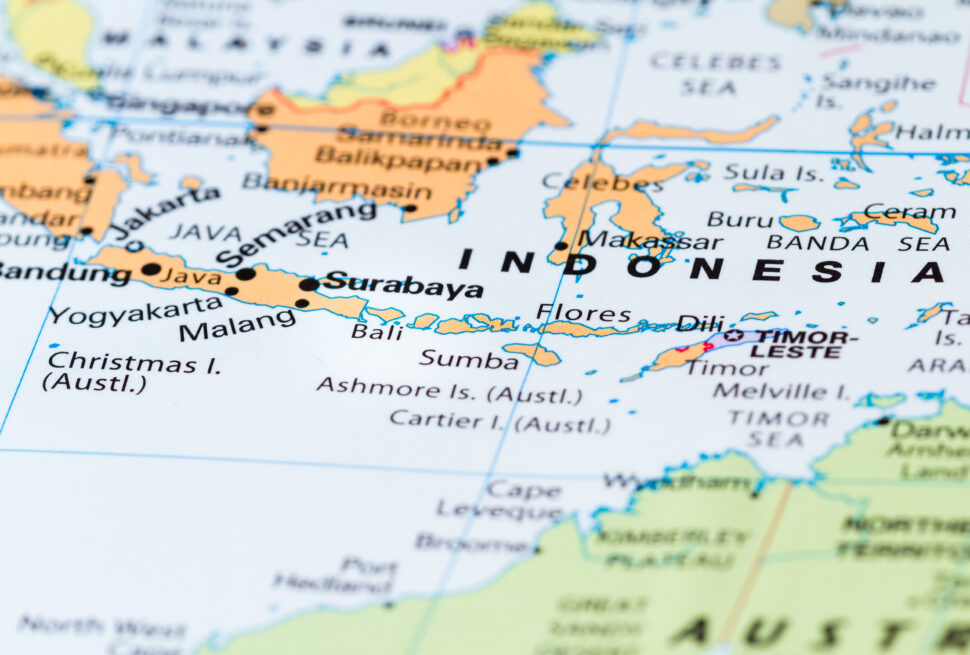
One emerging model is the Java wellness corridor, connecting the spiritual landscapes of Borobudur, the cultural wisdom of Yogyakarta and Solo, and the restorative natural environments of East Java. Together, these destinations form a coherent pathway for physical, mental, and emotional renewal.
Forest Bathing as a Core Pillar of Nature-Based Wellness Tourism
Among the most prominent trends shaping wellness tourism 2026 is forest bathing (shinrin-yoku). While previous decades emphasized coastal tourism, the future of health-oriented travel increasingly places forests at the center of therapeutic experiences.
In Indonesia—particularly in East Java—forest bathing is being developed through forest healing and nature-based wellness tourism initiatives. Forests are no longer treated as scenic backdrops, but as active healing environments.
Key benefits of forest bathing include:
- Immune system support through exposure to natural compounds (phytoncides) released by trees
- Sensory therapy, such as mindful walking, breathing exercises, and natural silence
- Mental health improvement, reducing stress and digital fatigue
To meet global expectations, forest bathing experiences are increasingly aligned with scientific research and standardized wellness frameworks, strengthening credibility and trust among international travelers.
Science Meets Tradition: The Revival of Indonesia’s Wellness Heritage
Indonesia’s competitive advantage in wellness tourism lies in its deeply rooted health traditions, developed over centuries. Ancient reliefs at Borobudur Temple depict herbal medicine, meditation, and holistic living practices long before modern wellness concepts emerged.
By 2026, wellness tourism trends highlight a renewed appreciation for Indonesian wellness heritage, curated and interpreted through contemporary scientific perspectives, including:
- Jamu as a preventive lifestyle, rather than merely a traditional drink
- Royal wellness traditions, inspired by Javanese royal courts and focused on balance, posture, breathing, and mindfulness
- Local aromatherapy, using indigenous essential oils to address stress, anxiety, and sleep quality
This integration of science and tradition gives Indonesia a strong differentiation in the global wellness tourism market.
The Conscious Traveler: Wellness, Ethics, and Sustainability
Wellness travelers in 2026 are increasingly conscious travelers—individuals who consider not only their personal well-being, but also the social and environmental impact of their journeys.
Three guiding principles define this mindset:
- Serenity – physical and mental calm
- Spirituality – meaning and self-reflection
- Sustainability – environmental and social responsibility
Rather than rushing through multiple destinations, conscious travelers prefer longer stays in single wellness destinations, meaningful engagement with local communities, and experiences that respect ecological limits.
Wellness Tourism as an Investment in Quality of Life
Wellness tourism 2026 represents a turning point in global travel, where journeys are no longer about consumption, but about restoration and balance.
With its tropical forests, cultural wisdom, and living health traditions, Indonesia has a strong opportunity to position itself as a leading destination for nature- and culture-based wellness tourism. In an increasingly fast-paced and digital world, the future of travel invites people to slow down, reconnect with nature, and restore harmony within themselves.
Would you rather experience forest bathing in the highland forests of East Java, or explore the philosophy of jamu and wellness heritage in Central Java?